
Efficient Ventilation Solutions for Industrial Needs
High-Performance Negative Pressure Exhaust Fans For Industrial Ventilation
MX Cooling manufactures reliable industrial exhaust fans designed to remove hot air, humidity, dust and odors while improving airflow in factories, farms, warehouses and agricultural facilities.
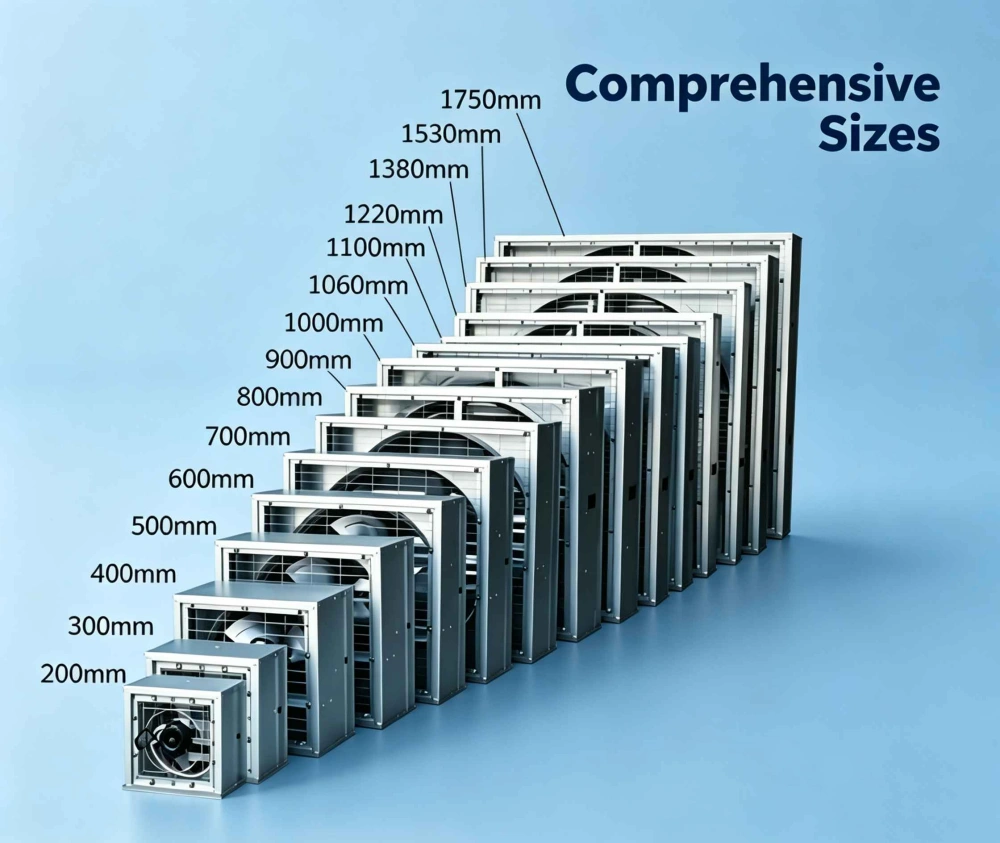
Why Choose Negative Pressure Ventilation?
Negative pressure ventilation is a powerful method that utilizes exhaust fans to expel hot and contaminated air from indoor spaces. This process creates a continuous exchange of fresh air, ensuring optimal air quality and comfort in industrial settings. By reducing heat buildup, improving air quality, and eliminating humidity and odors, this system enhances both worker and animal comfort while significantly lowering cooling costs.
Benefits of Negative Pressure Ventilation
✓ Reduce heat accumulation
✓ Improve air quality
✓ Remove humidity and odors
✓ Enhance worker and animal comfort
✓ Lower cooling costs
How It Works
Negative pressure ventilation works by creating a pressure differential between the inside and outside of a building. This causes fresh air to be drawn in naturally, while exhaust fans actively remove stale air, ensuring a constant flow of clean air throughout the facility.
MX Cooling Exhaust Fan Product Range
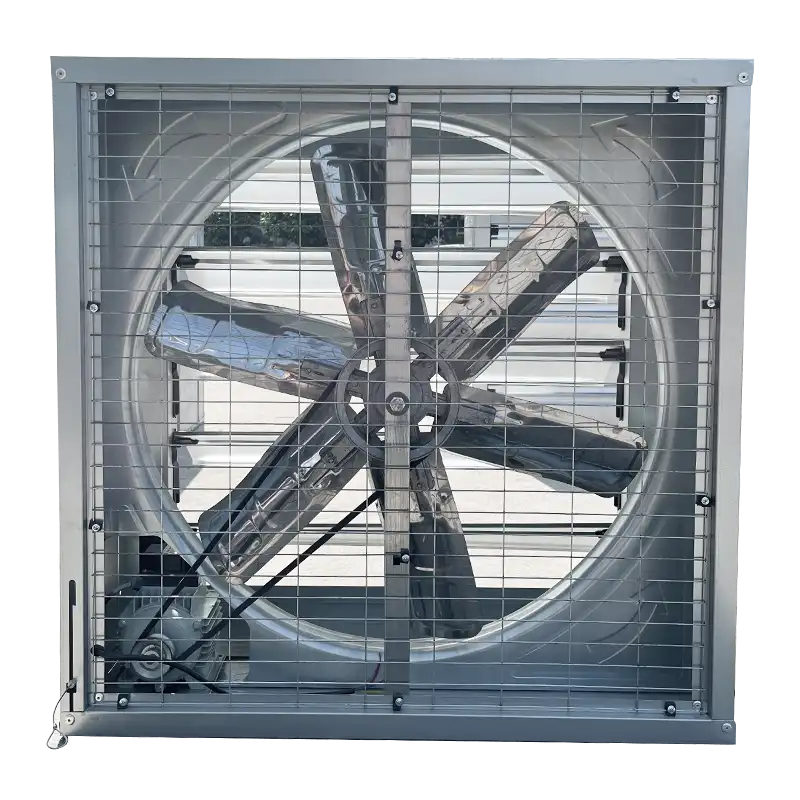
Galvanized Steel Exhaust Fans
Our galvanized steel exhaust fans offer a cost-effective solution for enhancing ventilation in both industrial and agricultural settings. Engineered for durability and efficiency, these fans ensure optimal airflow and temperature control.
Stainless Steel Anti-Corrosion Fans
BLDC Energy-Saving Variable Frequency Fans
FRP Fiberglass Exhaust Fans
Explosion-Proof Ventilation Fans
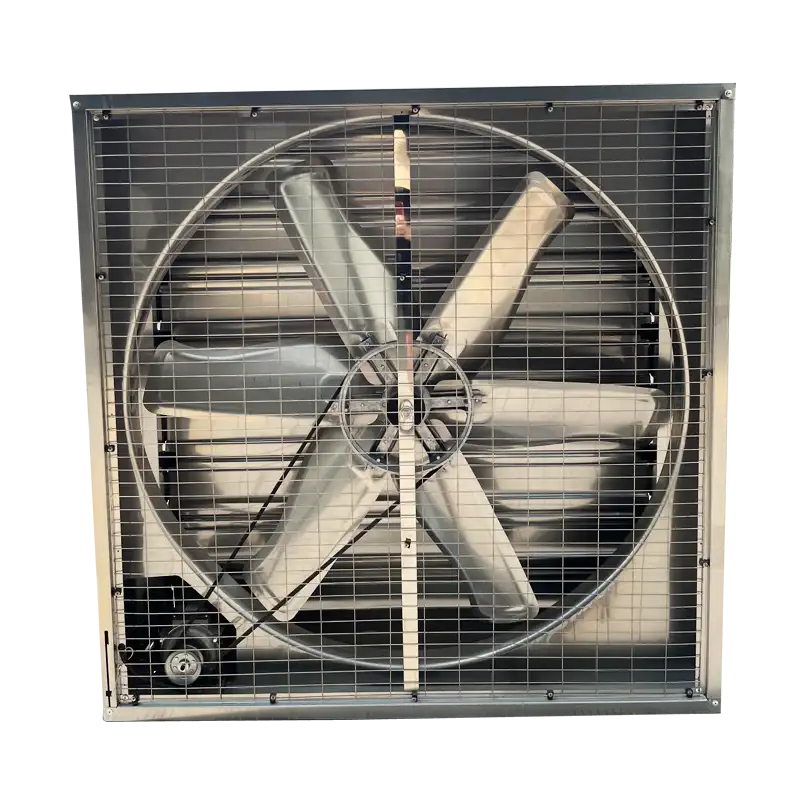
Stainless Steel Anti-Corrosion Fans
Designed to withstand harsh environments, our stainless steel fans provide reliable performance in humid and corrosive conditions. Ideal for maintaining air quality in challenging industrial spaces.
BLDC Energy-Saving Variable Frequency Fans
FRP Fiberglass Exhaust Fans
Explosion-Proof Ventilation Fans
Galvanized Steel Exhaust Fans
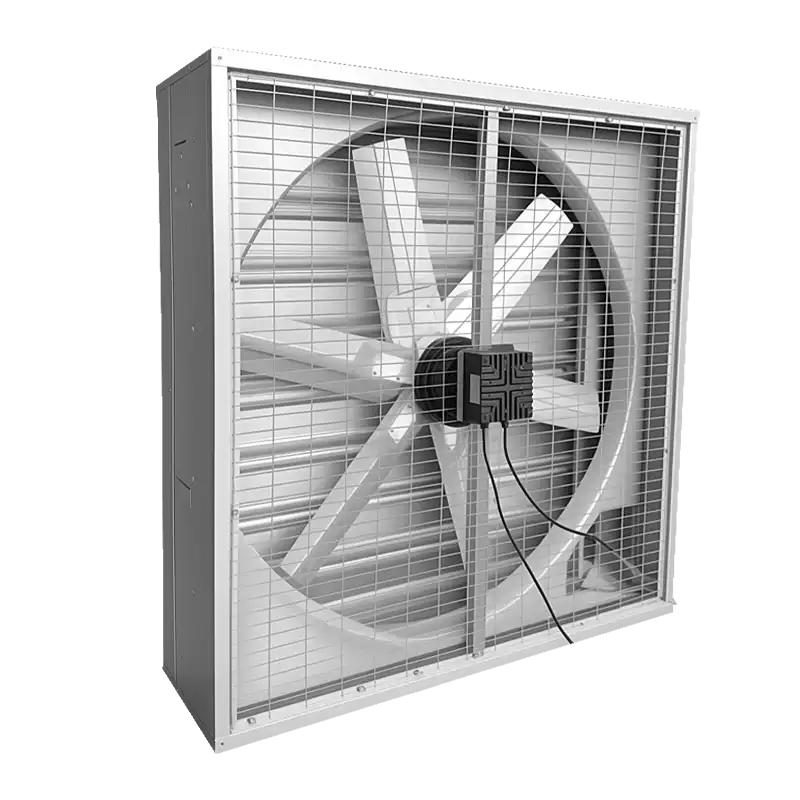
BLDC Energy-Saving Variable Frequency Fans
Advanced motor technology with adjustable speed control and improved energy efficiency.
Adjustable Speed Control
Energy Efficiency
Durable Construction
Quiet Operation
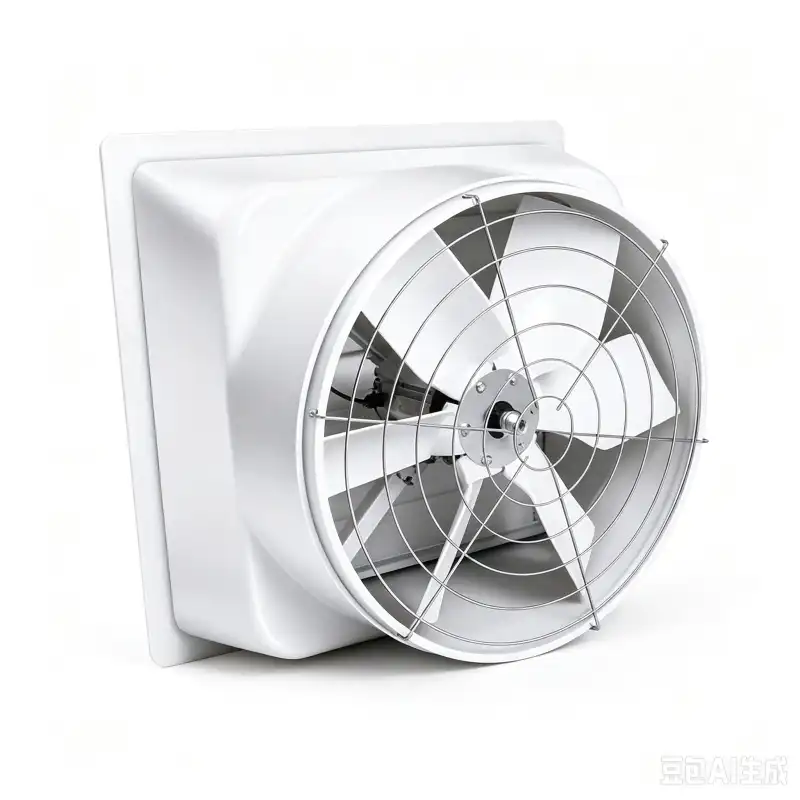
FRP Fiberglass Exhaust Fans
Corrosion-resistant fans suitable for chemical environments, livestock farms, and greenhouses.
Corrosion Resistance
Chemical Environment Suitability
High Airflow Capacity
Lightweight Design
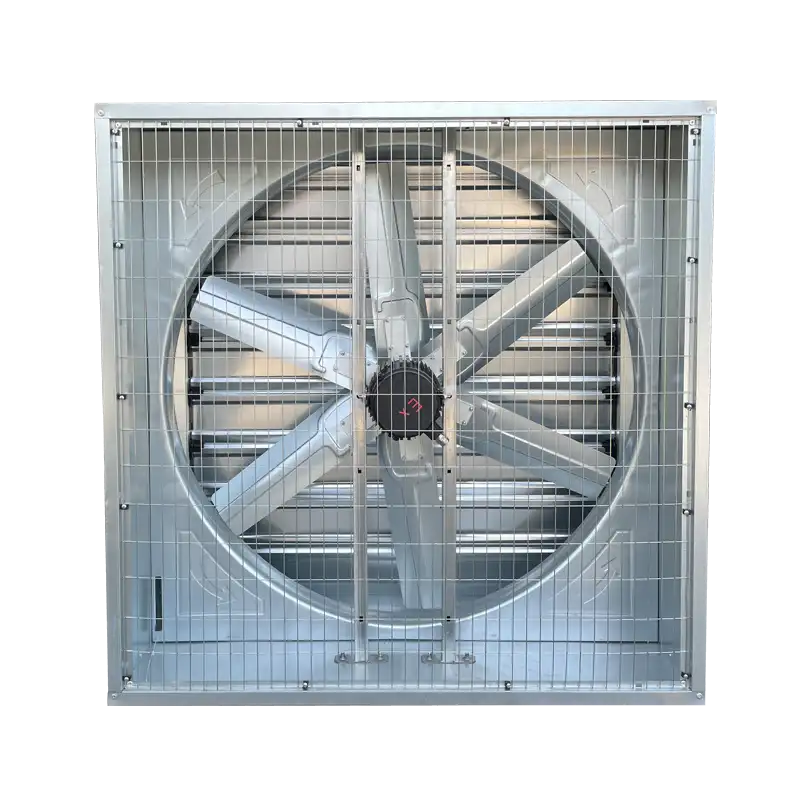
Explosion-Proof Ventilation Fans
Explosion-Proof Ventilation Fans are crafted for environments that demand additional safety measures. These fans are designed to prevent ignition of hazardous atmospheres, ensuring safe and efficient ventilation.
Enhanced Safety Features
Durable Construction
Efficient Airflow Management
Compliance with Safety Standards
Engineering Quality That Makes The Difference
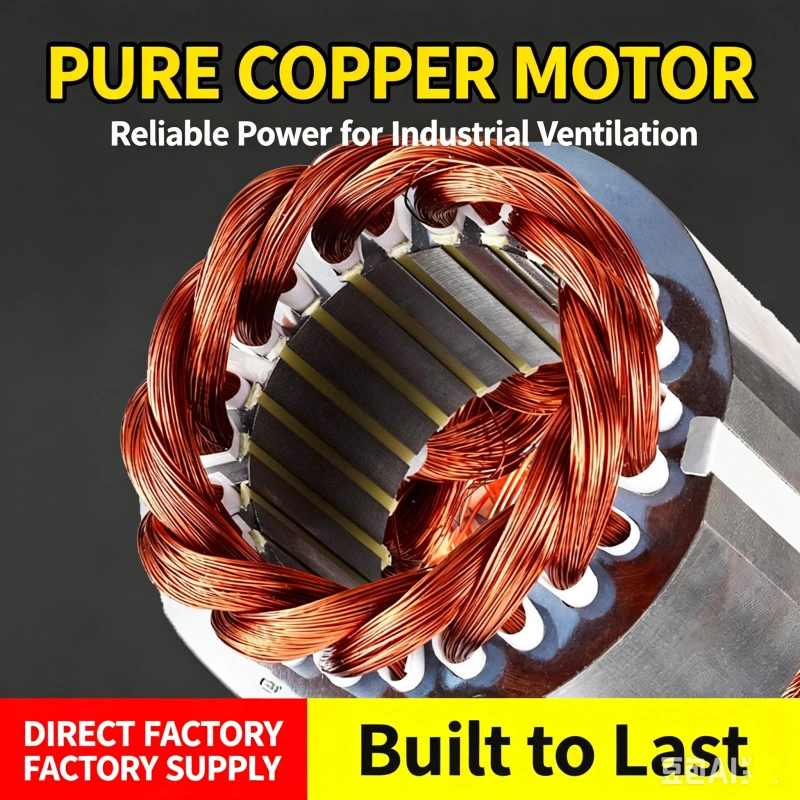
Motor Construction
Our motors are built with full-gauge copper wire and an optimized design, ensuring stable operation and extended service life.
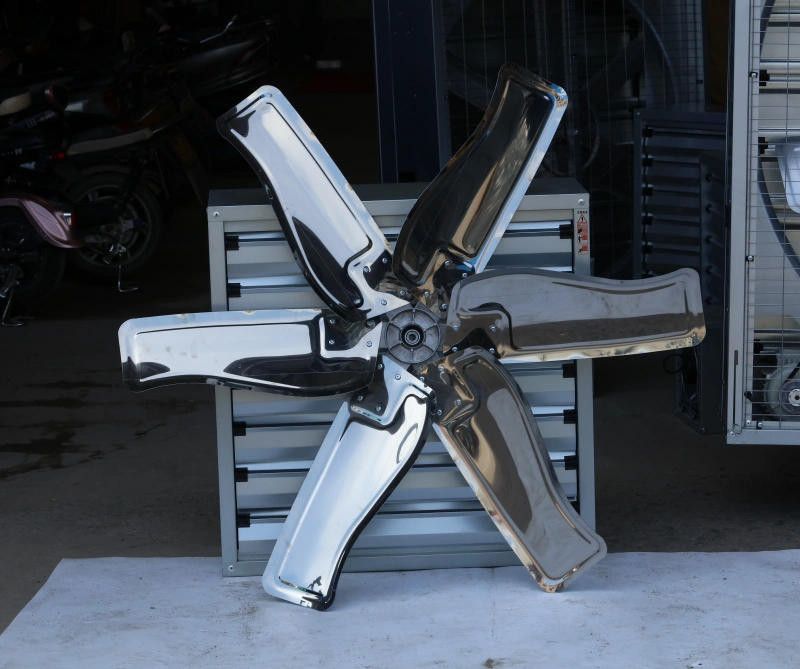
Fan Blade
Featuring 1.2mm thick blades, our fans offer enhanced strength and durability for long-lasting performance.
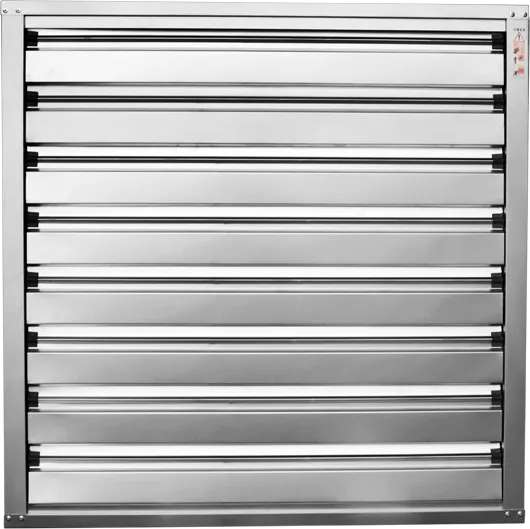
Louver Design
Our thicker louvers provide superior sealing against dust, rain, and insects, maintaining a clean and efficient system.
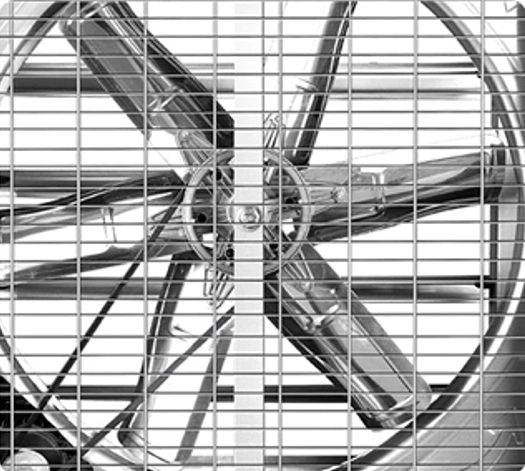
Safety Guard
Our high-density protective mesh ensures enhanced safety by preventing accidental contact with moving parts, safeguarding both personnel and equipment in industrial environments.
Applications of MX Cooling Exhaust Fans
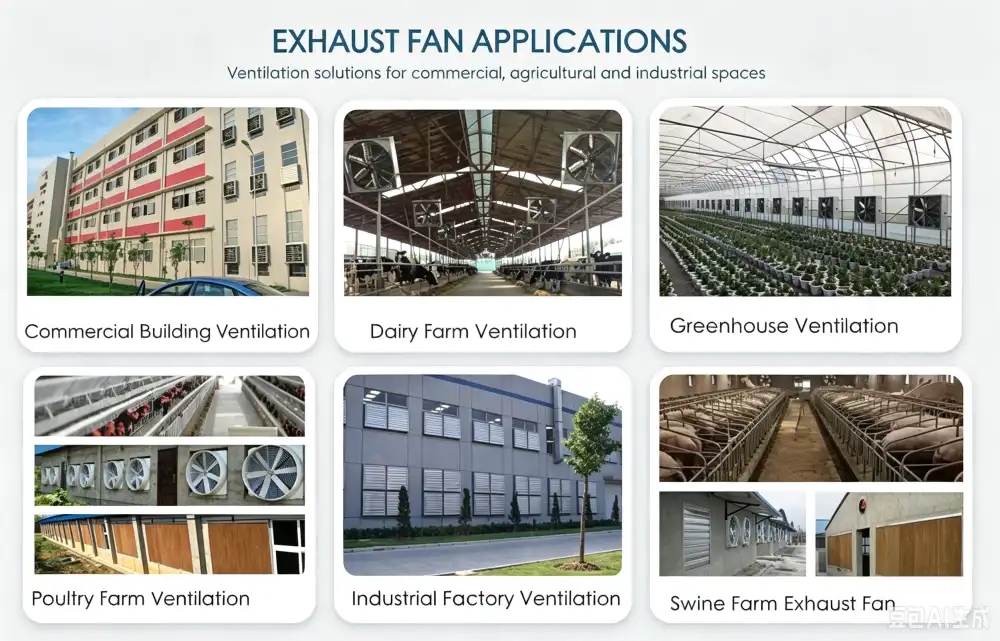
Factory Workshops
Warehouse Ventilation
Poultry Farms
Greenhouses
Livestock Buildings
Commercial Buildings
Agricultural Facilities
Industrial Plants
Food Processing Units
Chemical Laboratories
Automotive Workshops
Textile Manufacturing
Pharmaceutical Production
Data Centers
Cold Storage Facilities
Metal Fabrication Shops
Plastic Molding Factories
Beverage Manufacturing Plants
Understanding the Process
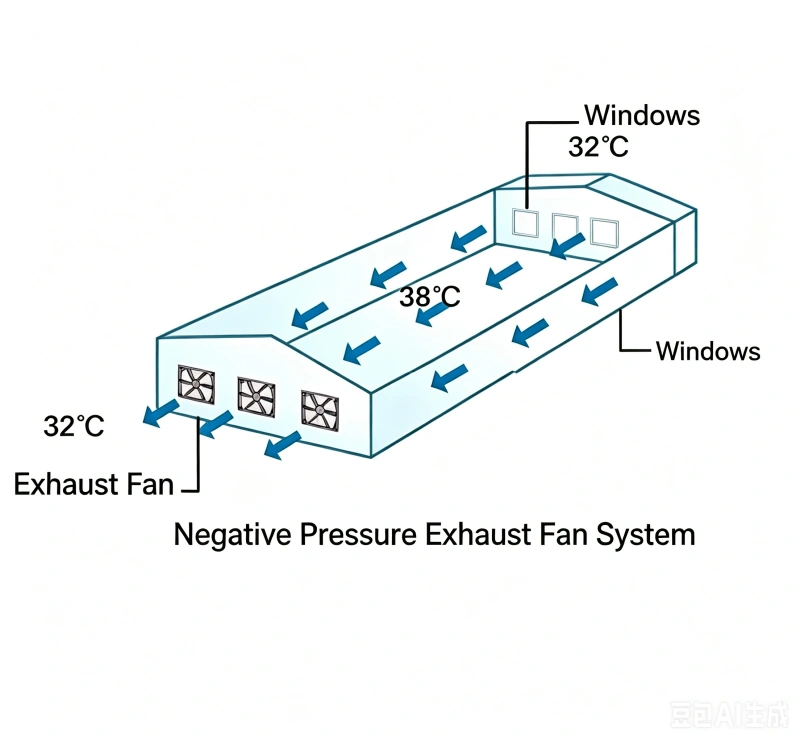
How Negative Pressure Ventilation Works
Exhaust fans create negative pressure, pulling fresh air into the building while continuously removing hot and polluted air.
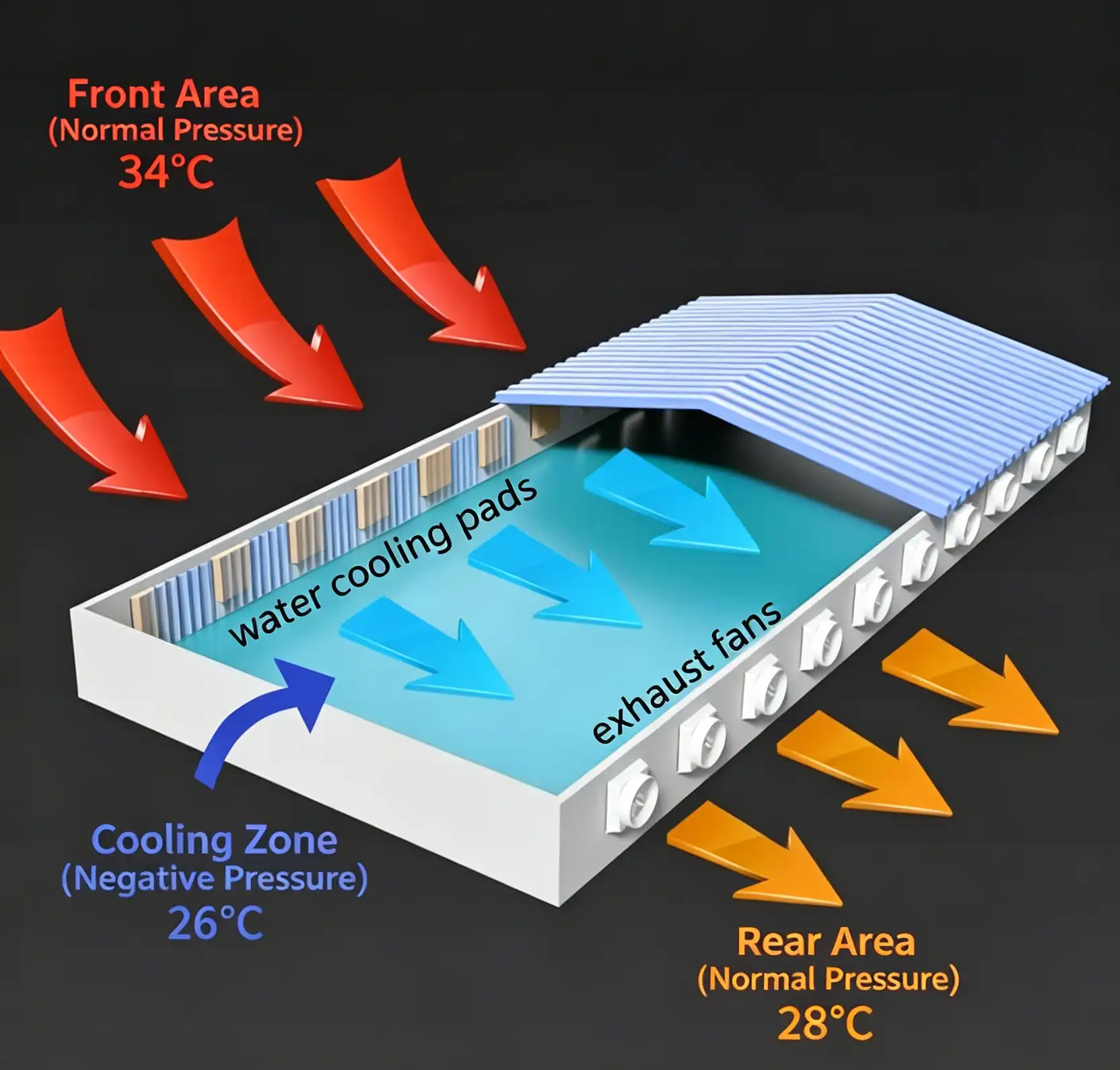
1
Initiate Airflow
Exhaust fans are strategically placed to begin the process of air exchange, creating a pressure differential that draws in fresh air.
2
Continuous Air Exchange
As the fans operate, they continuously expel hot, stale air, ensuring a constant influx of cooler, cleaner air.
3
Maintain Optimal Conditions
This system helps maintain ideal temperature and air quality, enhancing comfort and efficiency in industrial settings.
Choosing the Perfect Exhaust Fan
Step 1
Step 2
Step 3
How to Select the Right Exhaust Fan
1
Assess Building Size
Determine the square footage and volume of the space to calculate the required airflow capacity.
2
Identify Airflow Requirements
Consider the amount of air exchange needed to maintain ideal environmental conditions.
3
Evaluate Installation Location
Choose a location that maximizes ventilation effectiveness while minimizing obstructions.
4
Review Climate conditions
Consider the climate conditions of your area, as they can significantly impact the performance of your exhaust fan. Ensure the fan is suitable for both hot and humid environments.
5
Assess Application environment
Analyze the specific application environment, such as industrial or agricultural settings, to select a fan that meets the unique demands of your operation. Consult with our experts for tailored advice.
Common Questions About Negative Pressure Exhaust Fans
Discover answers to frequently asked questions about negative pressure exhaust fans and their industrial applications.
What is a negative pressure exhaust fan?
A negative pressure exhaust fan is a ventilation device that removes stale air from an enclosed space, creating a pressure differential that draws in fresh air from outside, improving air quality and comfort.
How do industrial exhaust fans enhance factory ventilation?
Industrial exhaust fans improve factory ventilation by expelling hot, humid air and bringing in cooler, fresher air, which helps maintain optimal working conditions and increases productivity.
What size exhaust fan is suitable for my building?
The appropriate size of an exhaust fan depends on factors such as the building’s volume, required airflow, and specific environmental conditions. Consulting with MX Cooling experts can help you select the right fan.
Can MX Cooling customize exhaust fan specifications?
Yes, MX Cooling offers customization options for exhaust fan specifications, including voltage and other technical requirements, to meet the unique needs of your industrial application.
What are the benefits of using negative pressure ventilation?
Negative pressure ventilation offers several benefits, including reducing heat buildup, improving air quality, removing odors and humidity, and enhancing overall comfort for workers and livestock.
How does negative pressure ventilation lower cooling costs?
By efficiently removing hot air and introducing cooler air, negative pressure ventilation reduces the need for additional cooling systems, leading to lower energy consumption and cost savings.